By Beyond Commercial Group
Local architecture in San Juan tells a genuinely continuous story, from 16th-century Spanish fortresses to tropical modernist homes to today's sleek coastal towers. Few cities pack this much architectural range into such a compact footprint, and understanding how each era built on the last reveals why San Juan's built environment feels so distinctive today.
Key Takeaways
- Old San Juan, a UNESCO World Heritage site, preserves Spanish colonial architecture dating back to Casa Blanca in 1521 and the Catedral de San Juan Bautista from 1540.
- The 1920s and 1930s brought San Juan's first skyscraper, the El Mundo Building, blending Chicago School influence with Spanish Caribbean detailing.
- Architect Henry Klumb arrived in 1944 and pioneered Tropical Modernism, adapting International Style principles with deep overhangs and brise-soleil shading for Puerto Rico's climate.
- Today's Condado skyline reflects a new wave of contemporary coastal towers, continuing the island's tradition of designing specifically for its tropical setting.
Spanish Colonial Foundations: Old San Juan's 500-Year-Old Core
Before any other architectural style arrived, Spanish colonizers built the foundation that still defines Old San Juan's identity today. This isn't a recreated historic district—it's the genuine original.
What Defines This Centuries-Old Core
- Castillo San Felipe del Morro, a 140-foot walled citadel, has guarded San Juan Bay's entrance since the 16th century
- Casa Blanca, constructed in 1521 as the intended home of Juan Ponce de León, stands as Old San Juan's oldest residence
- The Catedral de San Juan Bautista, a Gothic-style structure dating to 1540, is recognized as the oldest church on U.S. soil
- Thick stucco walls, inner courtyards, arched doorways, and hand-carved wooden balconies reflect both Andalusian influence and genuine climate-specific design for a dense, humid coastal city
This district earned UNESCO World Heritage status precisely because it preserves such a complete, continuous example of Spanish colonial urban planning.
The Art Deco Leap: San Juan's First Skyscrapers
After Puerto Rico came under U.S. jurisdiction in 1898, new architectural influences began arriving from the mainland, culminating in the city's first real high-rise construction during the 1920s and 1930s.
How This Era Changed San Juan's Skyline
- The Puerto Rico Ilustrado–El Mundo Building became the first high-rise in the Puerto Rican capital, directly inspired by Chicago School skyscraper design
- Even as these buildings reached toward modernity, they retained Spanish-inspired detailing, creating a genuine transitional style unique to San Juan
- This period coincided with the development of Condado and Miramar, districts that brought architectural trends popular in the mainland United States to the city for the first time
- Rectilinear forms, curtain walls, and the combined use of glass and concrete began appearing throughout commercial and institutional projects across the island
This era marked the first real break from centuries of purely colonial building, setting the stage for the modernist wave that followed.
Henry Klumb and the Rise of Tropical Modernism
No architect shaped mid-century San Juan quite like Henry Klumb, whose arrival in 1944 introduced a genuinely climate-specific take on modernism that still influences design on the island today.
What Made Klumb's Approach So Distinctive
- Klumb, a German-born architect and former apprentice of Frank Lloyd Wright, moved to Puerto Rico in 1944 to direct the Design Committee of Public Works under Governor Rexford Tugwell
- His own home, Casa Klumb, built in 1947 from a remodeled 19th-century hacienda, removed most outer walls entirely, creating a direct, open relationship between interior and exterior living space
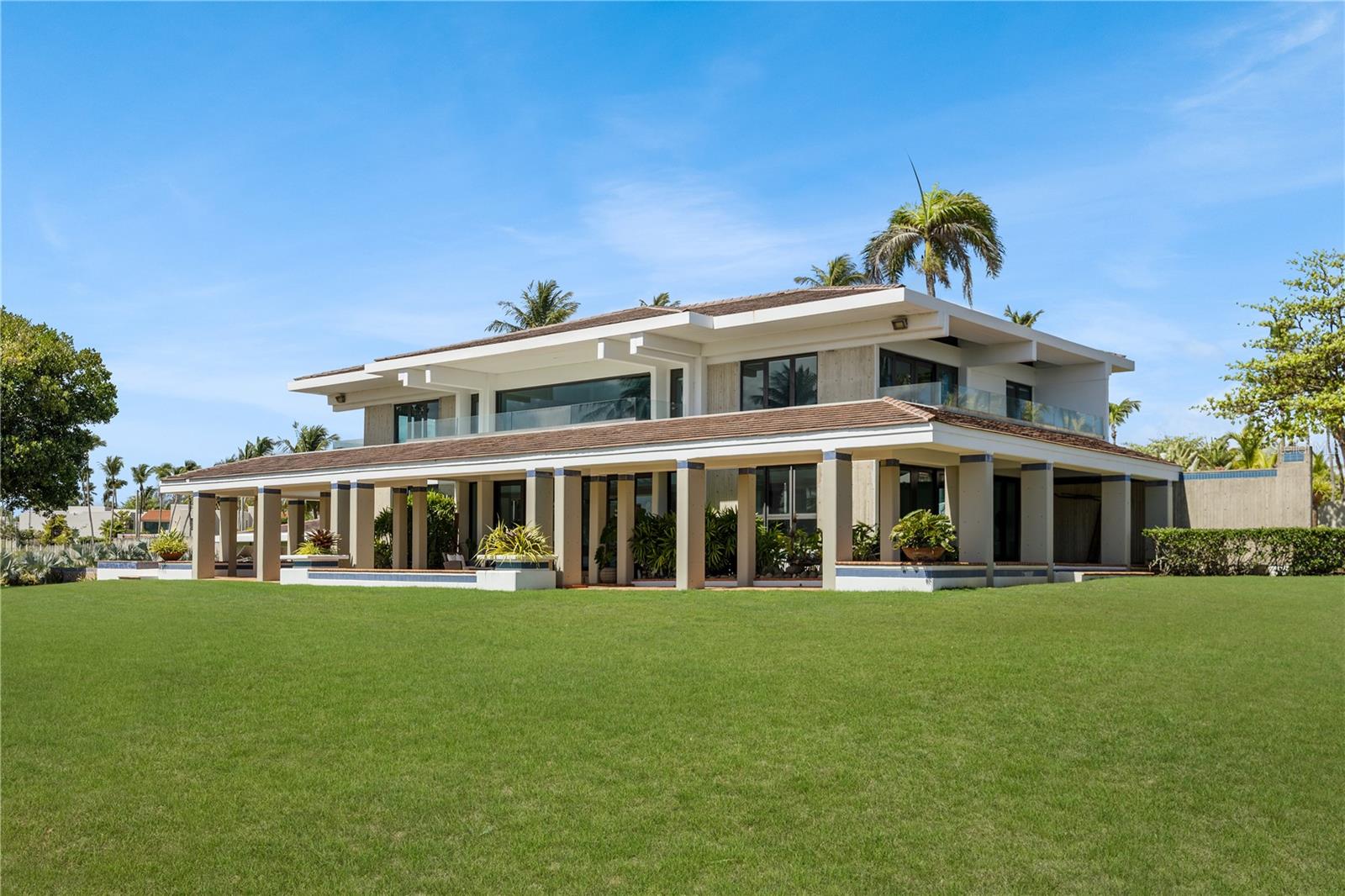
- Klumb became known for deep overhangs, brise-soleil shading, and cross-ventilation systems, all specifically engineered for Puerto Rico's sunny, humid climate
- His work adapted the uniform International Style into something genuinely suited to tropical living, a philosophy that influenced architects across the island for decades
Though Casa Klumb was tragically destroyed by fire in 2020, its underlying design philosophy remains visible throughout San Juan's mid-century residential architecture.
Contemporary San Juan: Condado's Modern Towers and Coastal Design
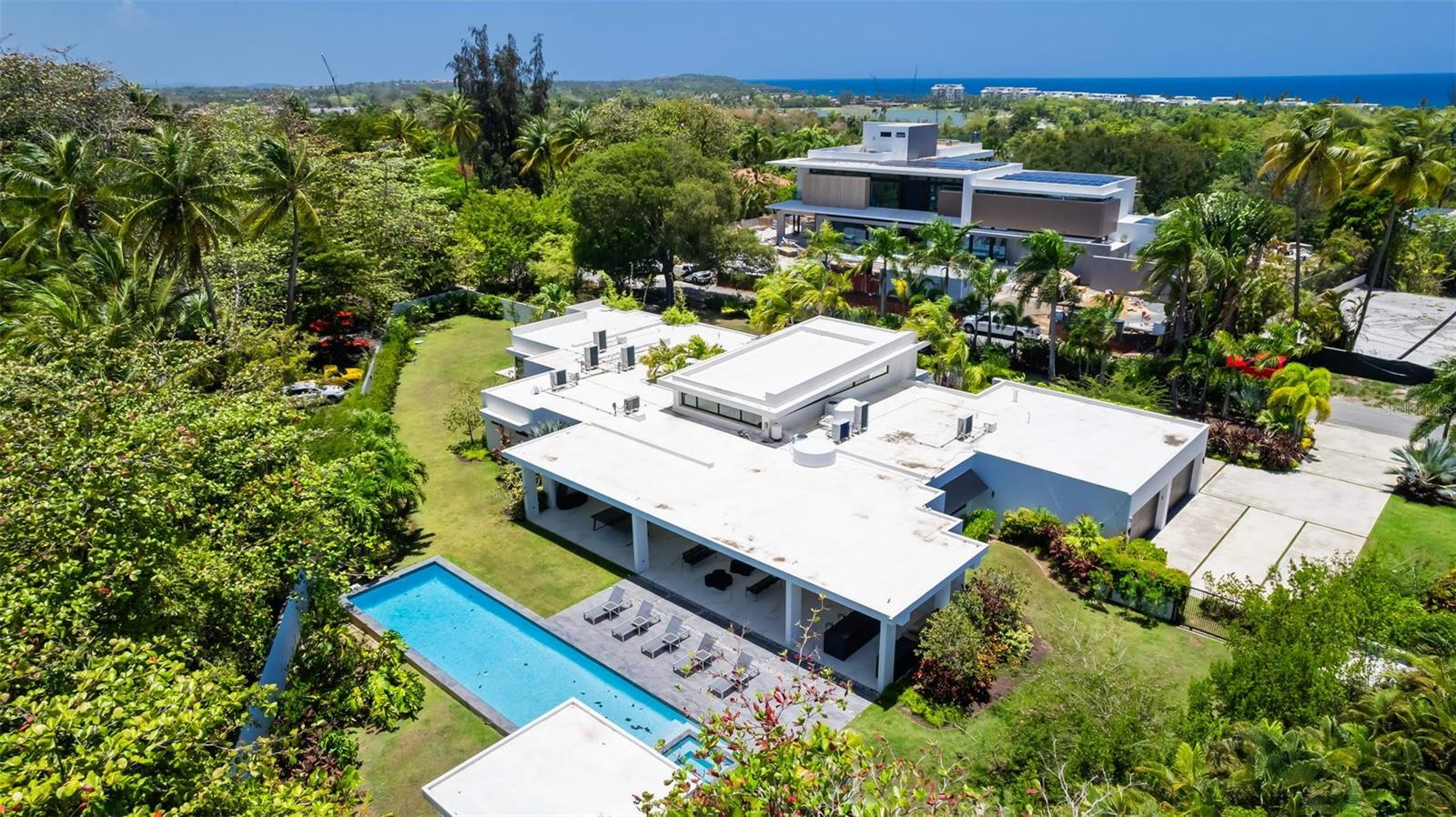
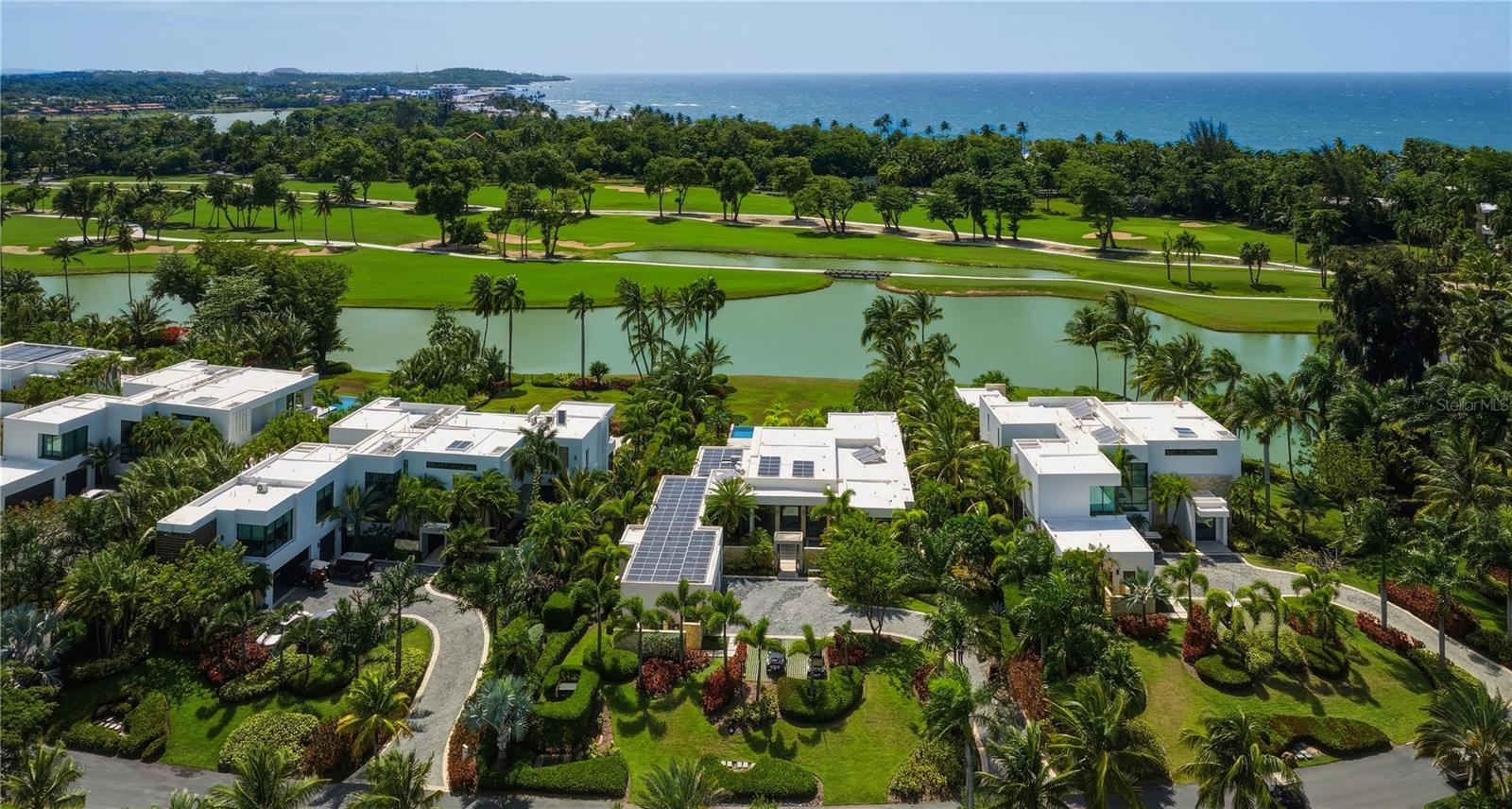
Today's San Juan skyline continues building on this layered history, with a new generation of towers bringing sleek, climate-conscious design to the city's waterfront neighborhoods.
What Characterizes San Juan's Newest Architecture
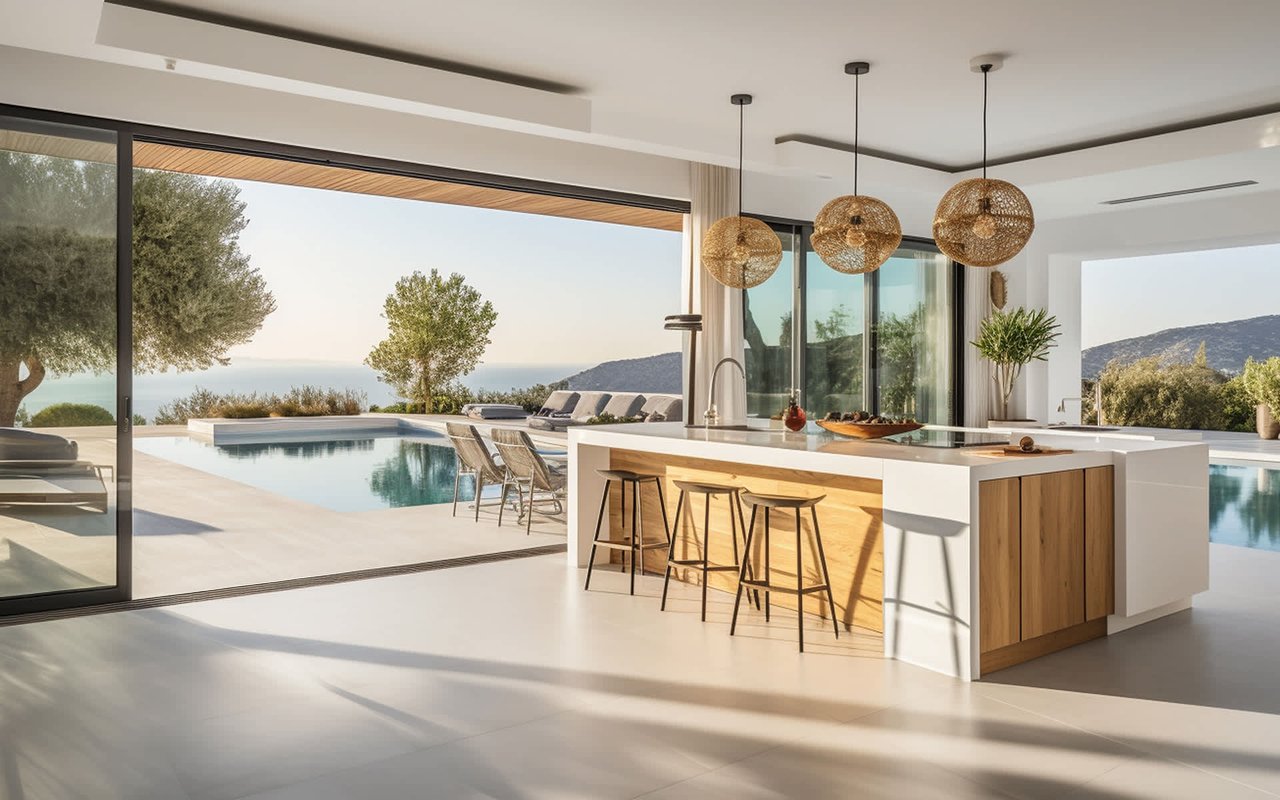
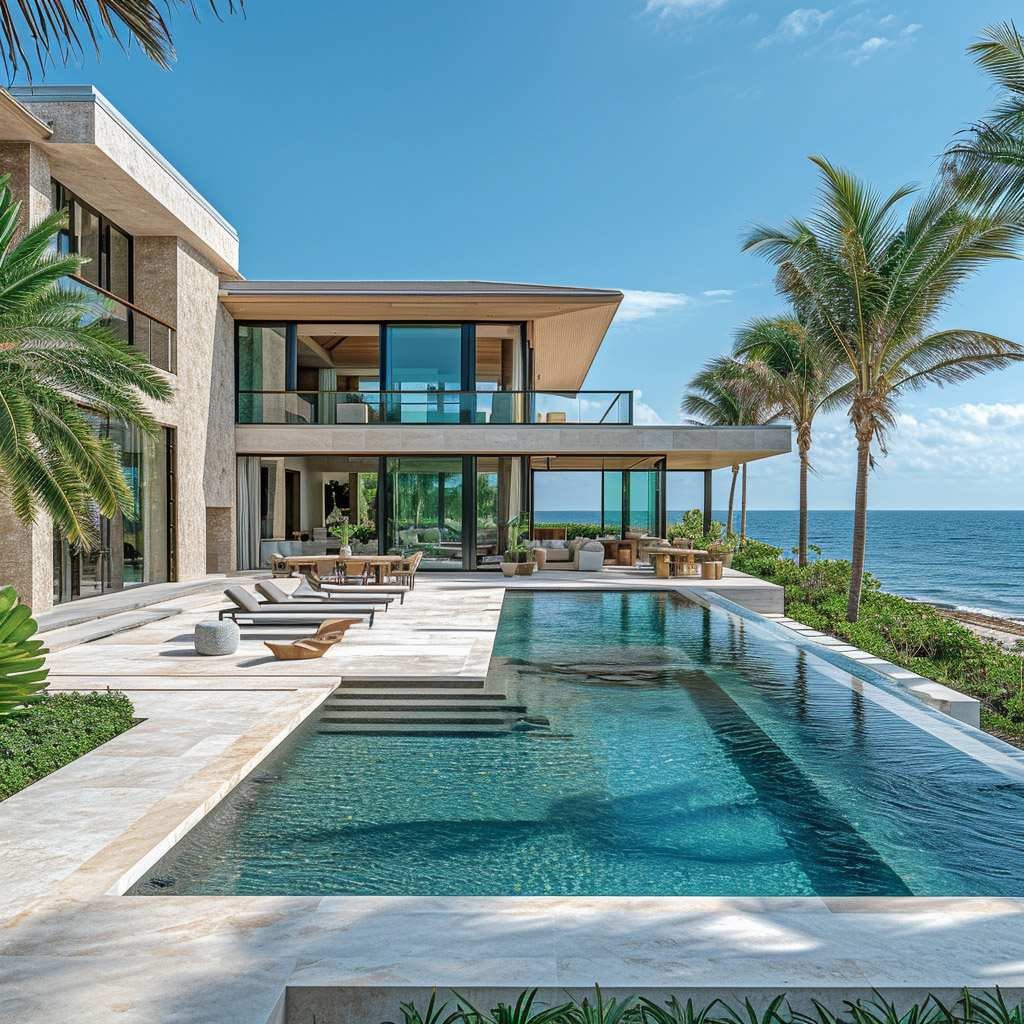
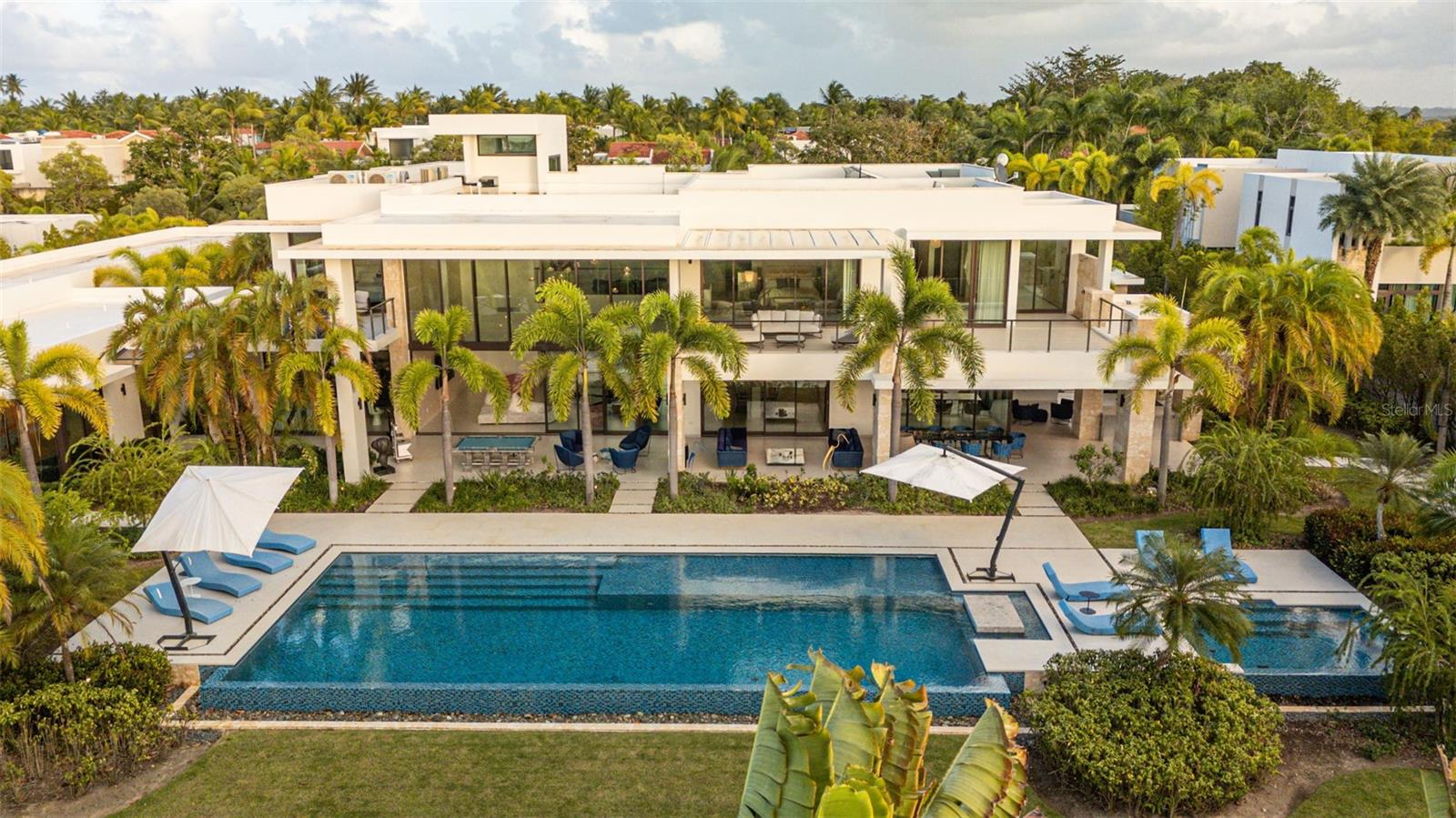
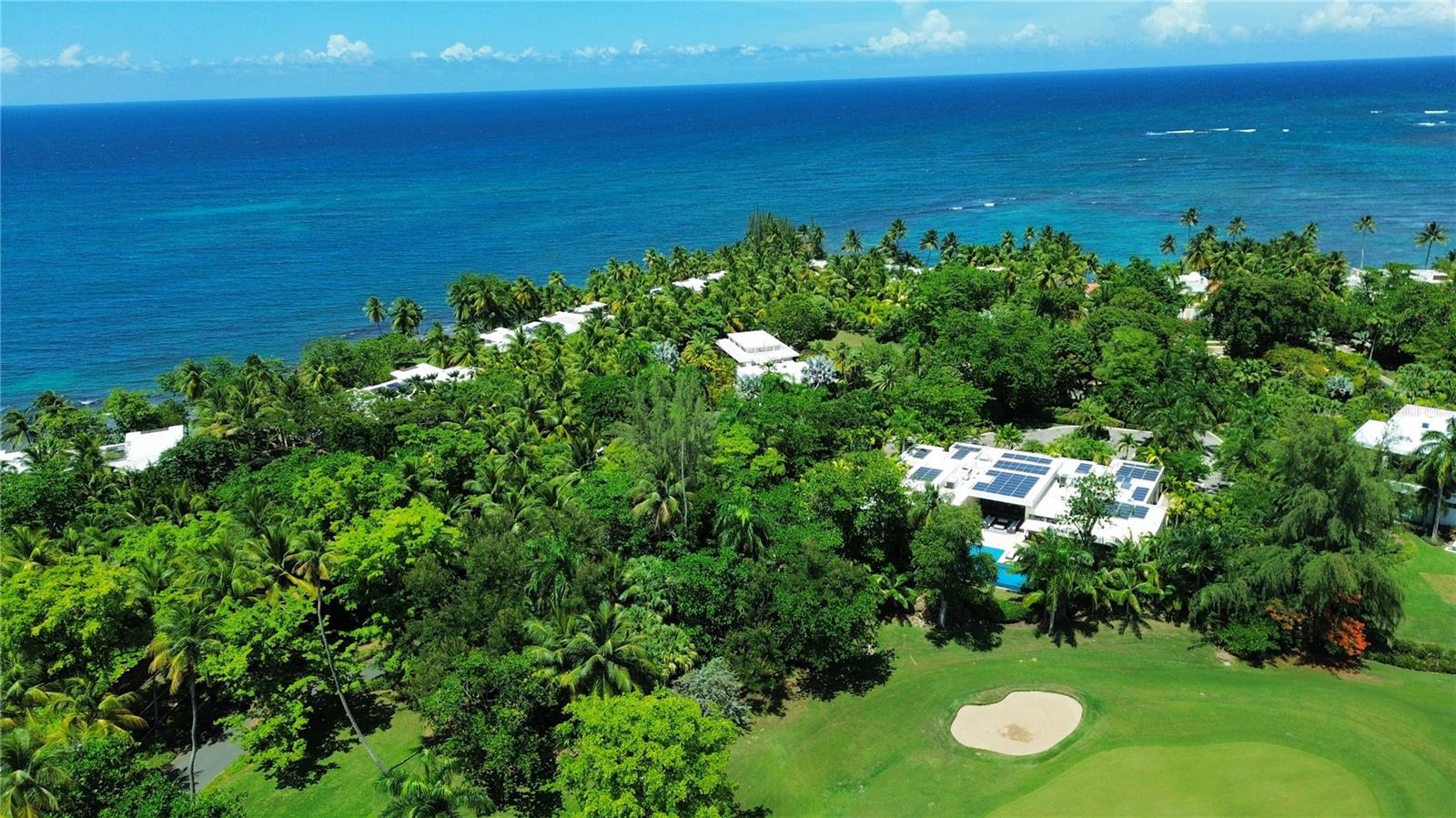
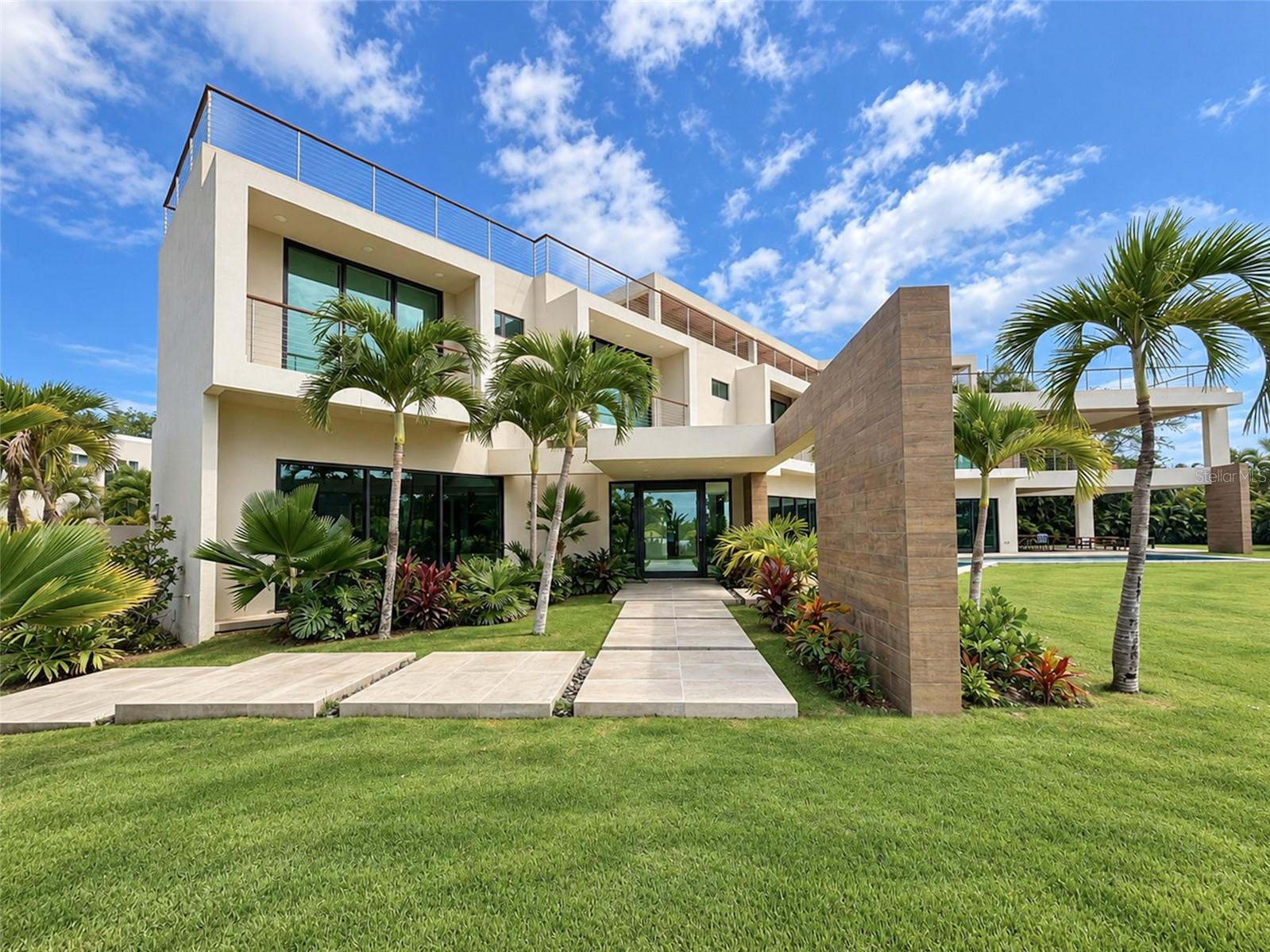
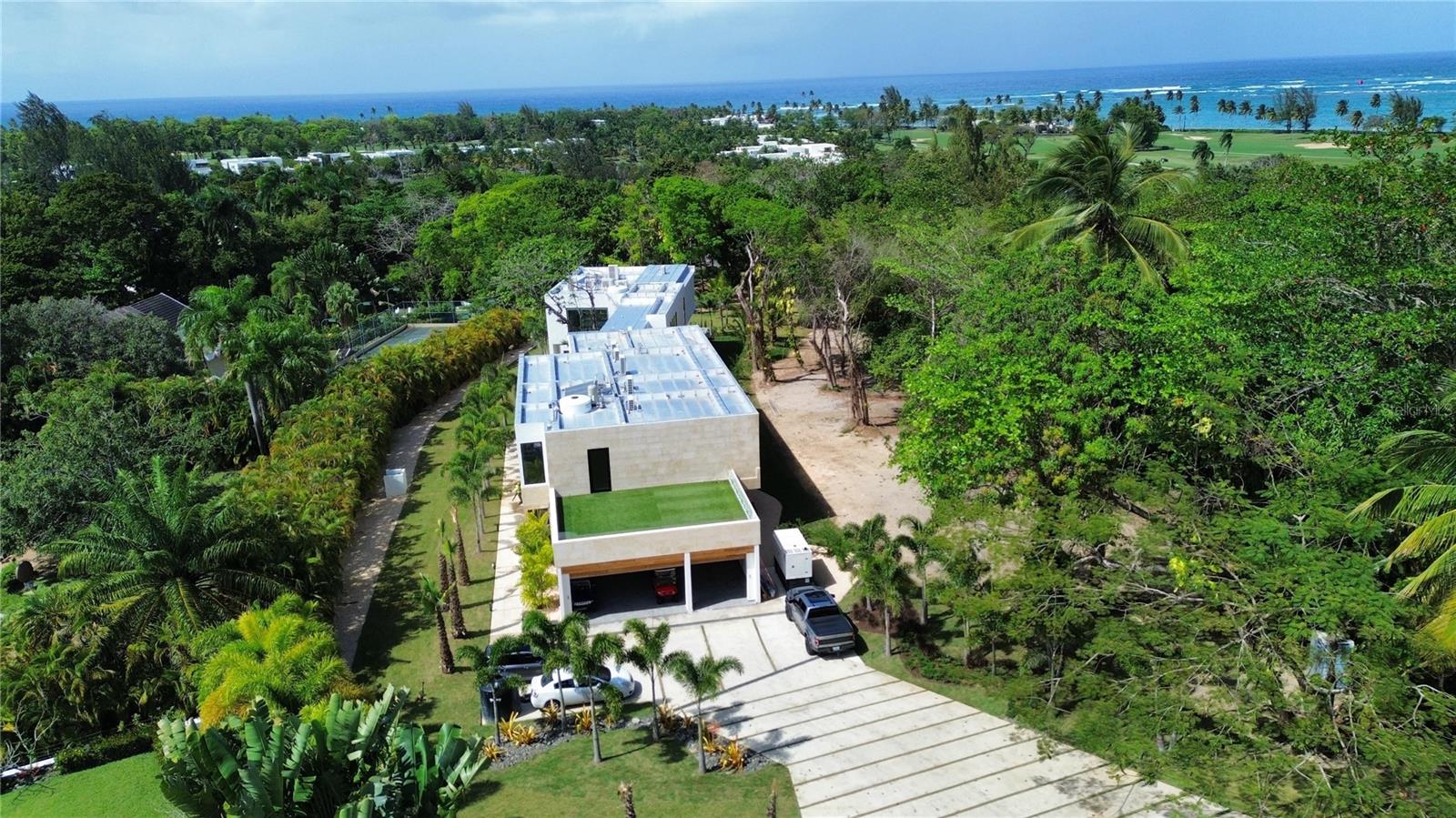
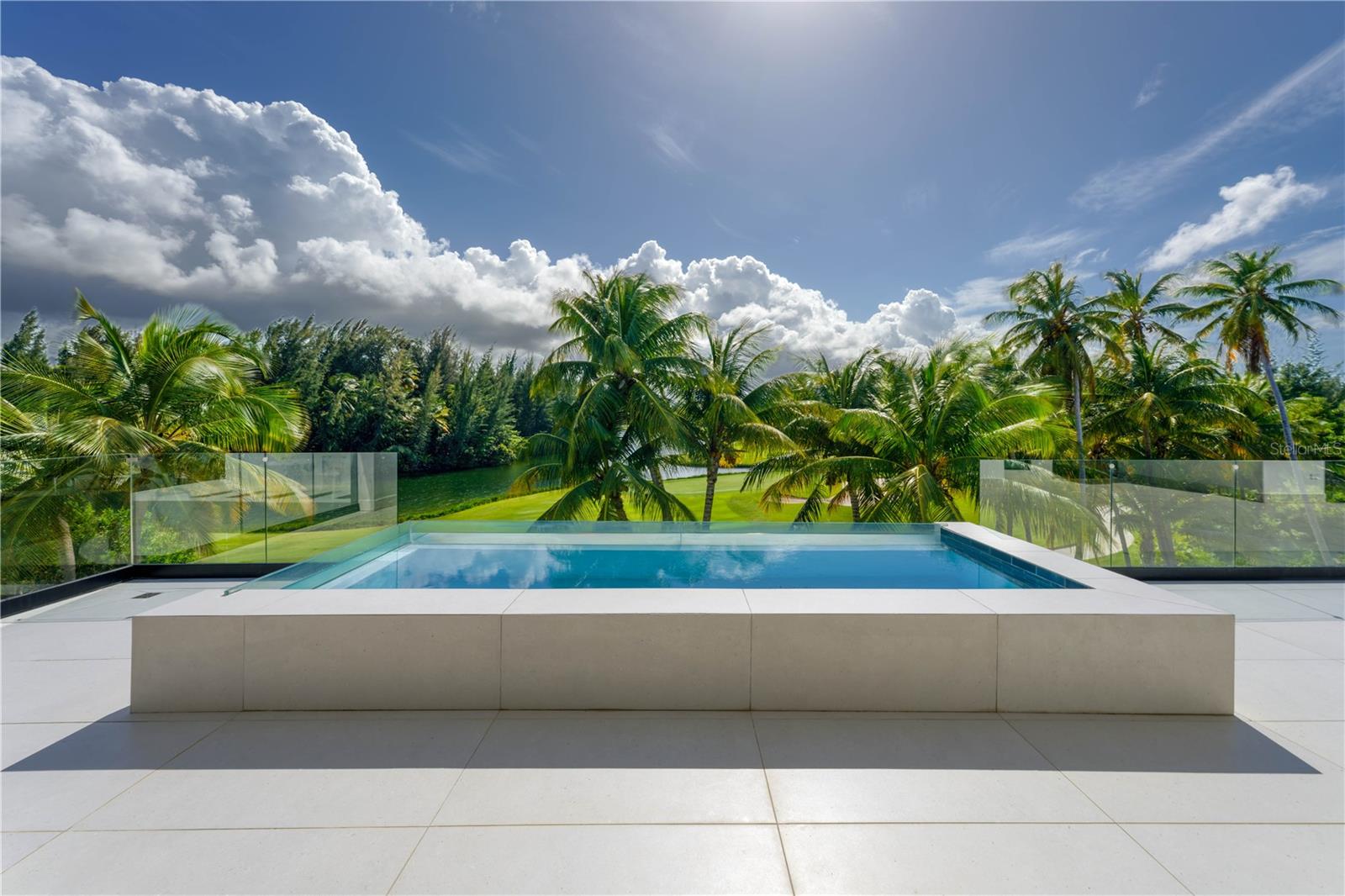
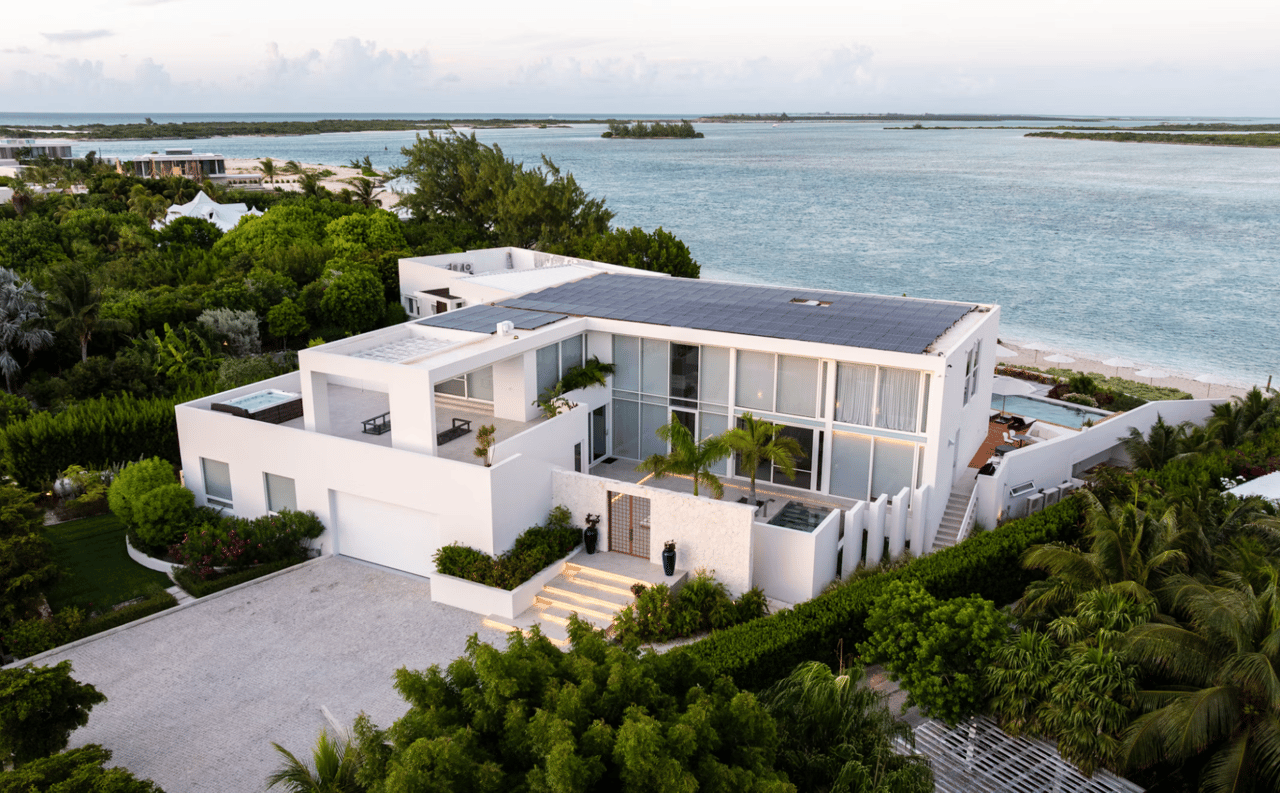
- Contemporary coastal design throughout Condado favors clean lines and expansive glass, oriented specifically to maximize ocean views
- New luxury towers along the Condado waterfront reflect growing investment in the neighborhood, blending international design standards with details suited to the tropical setting
- Many of these contemporary buildings continue the climate-responsive principles Klumb helped establish decades earlier, even while using thoroughly modern materials and construction methods
- This ongoing dialogue between historic influence and new construction gives San Juan's current building boom a genuine sense of continuity rather than a clean break from the past
Walking from Old San Juan's colonial core to Condado's newest towers offers a genuine architectural timeline, condensed into a single afternoon's walk.
Frequently Asked Questions
What makes Old San Juan's architecture unique compared to other Spanish colonial cities?
Its compact, walled layout combined with climate-specific features like inner courtyards and thick stucco walls created a genuinely distinct response to living in a dense, tropical coastal city.
Who was Henry Klumb, and why does he matter to San Juan's architecture?
Klumb was a German-born architect who arrived in 1944 and pioneered Tropical Modernism, adapting International Style principles with deep overhangs and ventilation systems specifically for Puerto Rico's climate.
Is Casa Klumb still standing today?
No. The 1947 home was destroyed by a fire in 2020, though its design philosophy continues to influence architecture across the island.
Work With Someone Who Appreciates San Juan's Architectural Story
Phillip Faigenblat brings over three decades of experience in design-build development, property management, and entrepreneurship to his work as founder of Beyond Commercial Group. His vision was to build a brokerage that delivers personalized service grounded in deep knowledge of the Puerto Rico real estate market, consistently exceeding traditional industry standards. What sets us apart is our commitment to holistic guidance at every stage of the real estate journey, from the initial purchase through the completed project. If San Juan's architectural history has you thinking about your next property here, we would love to help.