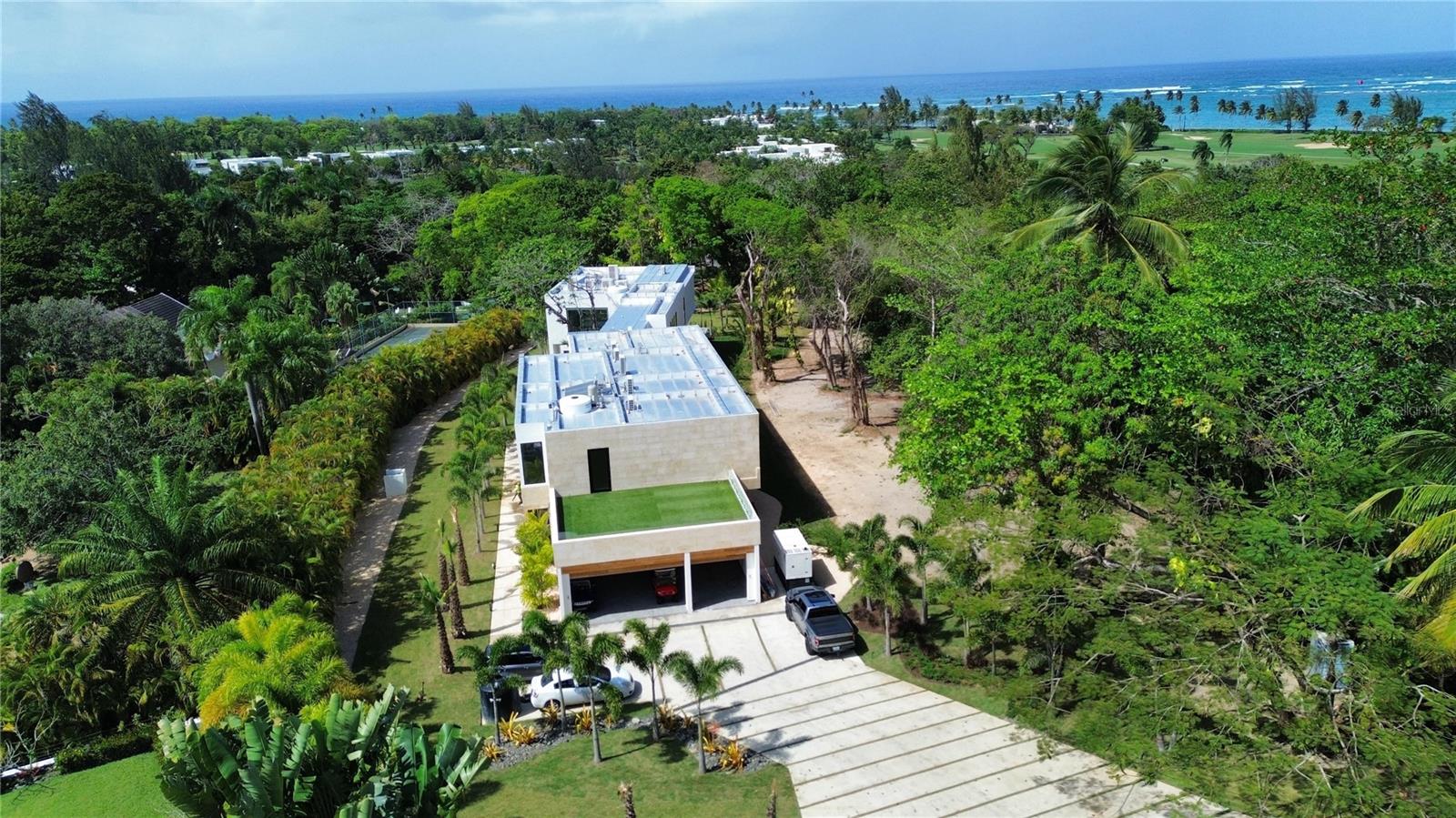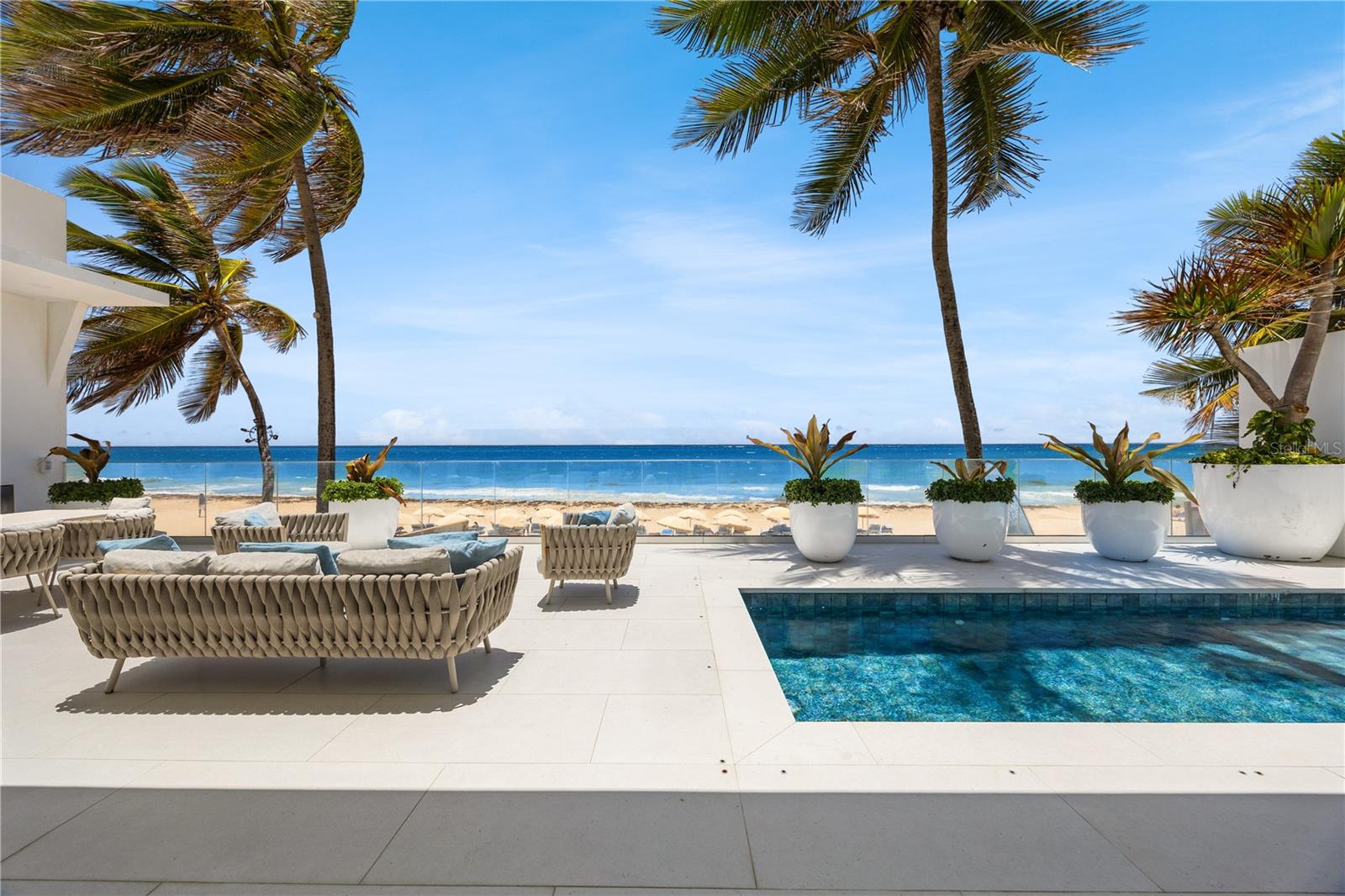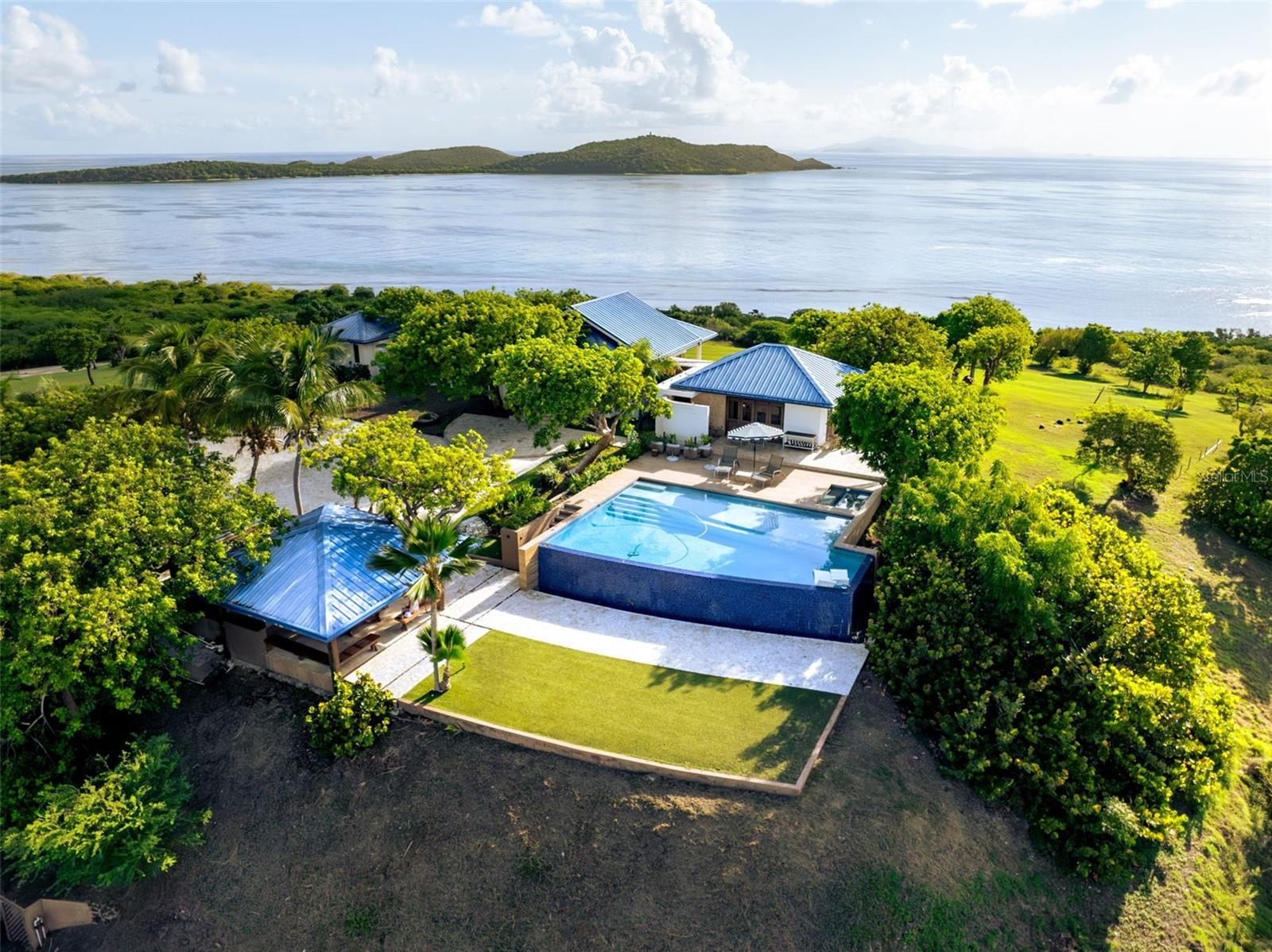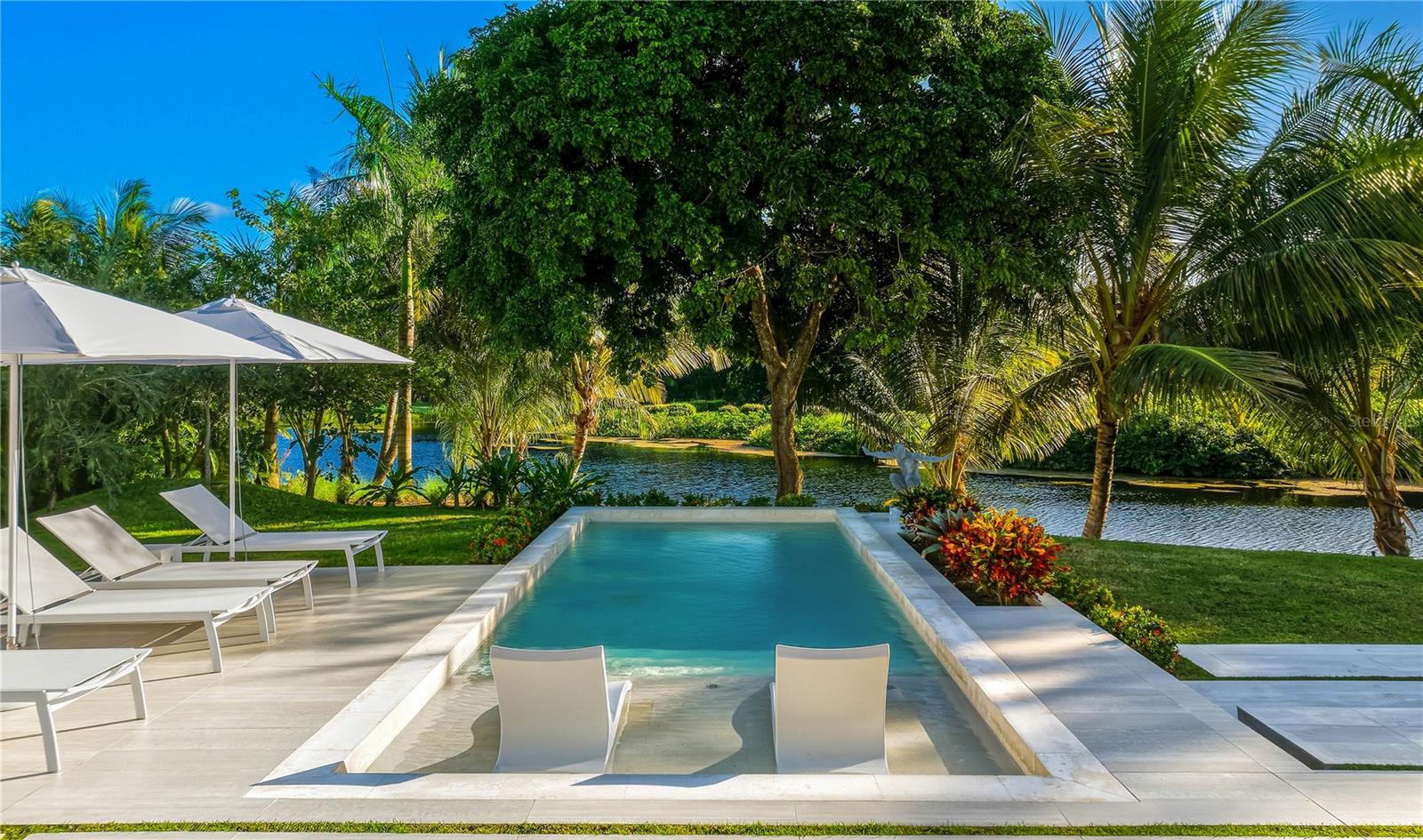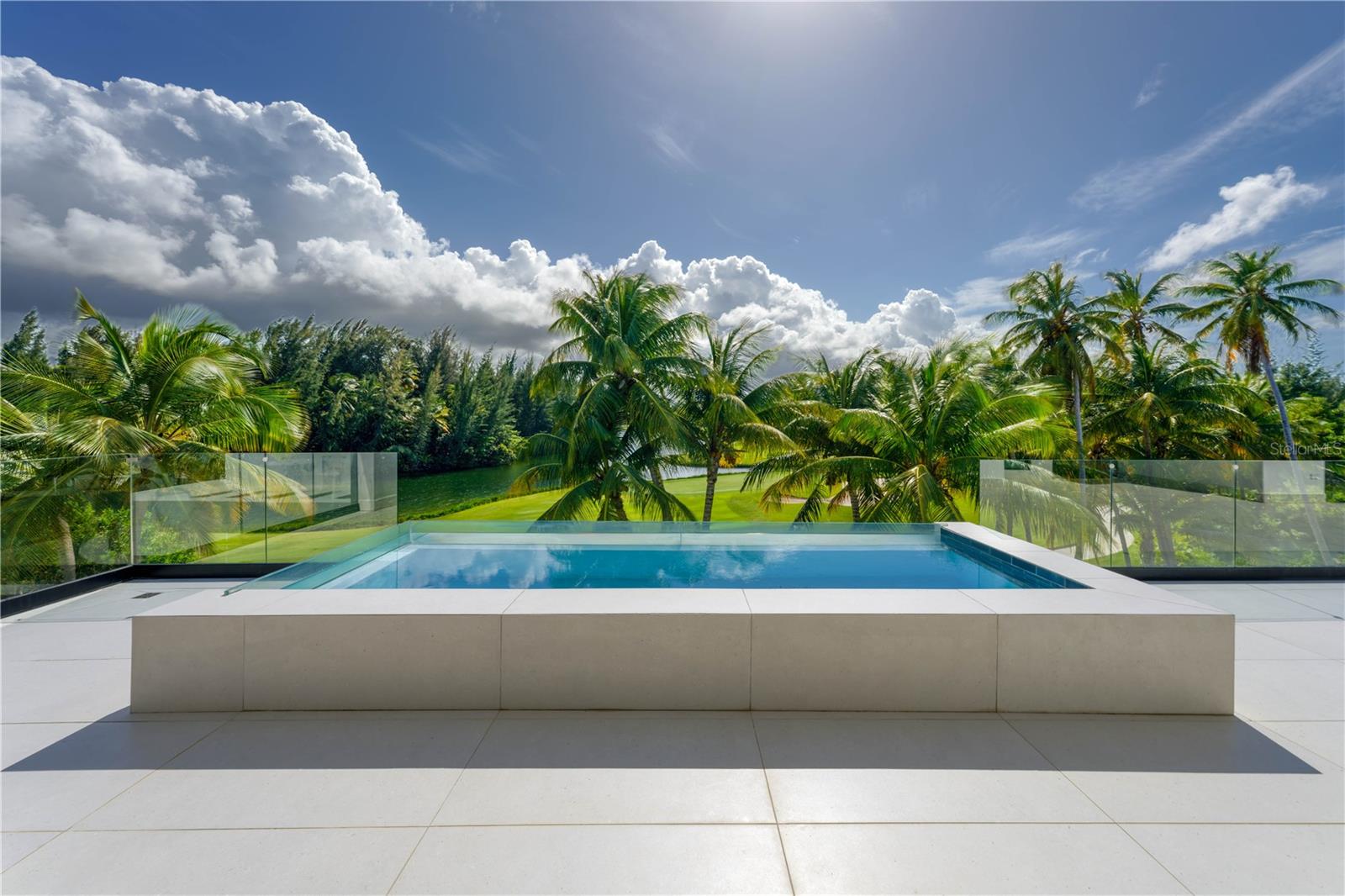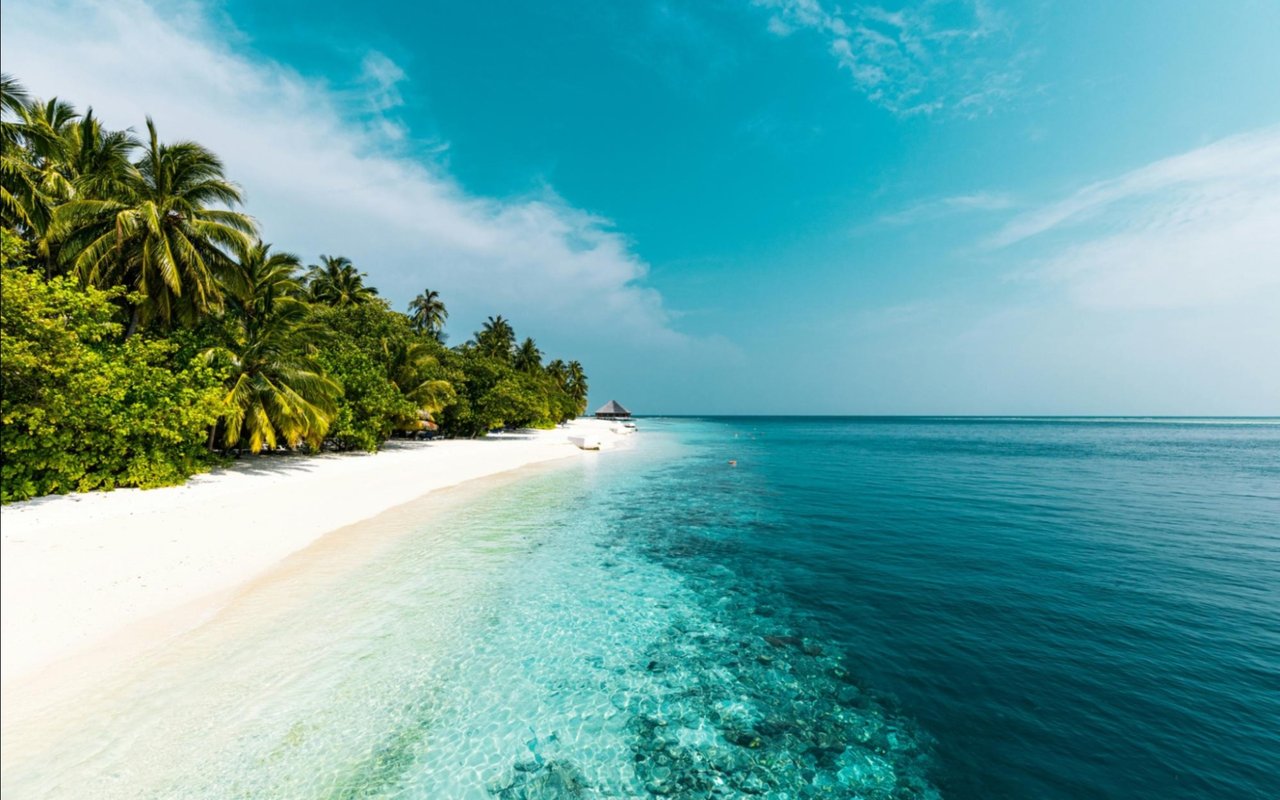
Culebra gets introduced by its beaches, and that's understandable. Flamenco Beach is a mile-long horseshoe bay with turquoise water and white sand that consistently ranks among the finest in the world. But the people who end up staying, and there's a real community of them, aren't there for Flamenco Beach alone. Culebra is 10 square miles of genuinely low-density island life, a wildlife refuge, a working town, and a real estate market shaped by some of the tightest development constraints in the Caribbean. Here's what actually makes it worth understanding.
Key Takeaways
- Culebra sits 17 miles east of mainland Puerto Rico, accessible by ferry from Ceiba or short flights from San Juan
More than 20% of the island's land falls within the Culebra National Wildlife Refuge, which directly limits developable land and keeps density permanently low
- The island has a real resident community with local culture, events, and year-round life that extends well beyond its peak tourist season
- Property scarcity driven by environmental protections creates a real estate market where values have held and appreciated through market cycles
The Island Itself
Culebra is part of a small archipelago 17 miles east of Puerto Rico's main island and about 12 miles west of St. Thomas. Its total land area is roughly 10 square miles, and approximately one quarter of that falls within the Culebra National Wildlife Refuge, a U.S. Fish and Wildlife Service-managed reserve established in 1909 under an executive order signed by President Theodore Roosevelt. The Navy used portions of the island for training until 1976. When they left, the land transferred to federal and commonwealth management, which is part of why the island looks the way it does today.
What the protected land structure means in practice:
- New construction is subject to coastal-zone setbacks, environmental permitting, and low-density zoning across most of the island
- The Luis Peña Channel Nature Reserve protects the coral reef system on the island's west side, one of the healthiest marine ecosystems accessible from any Puerto Rican island
- Cayo Luis Peña and Isla Culebrita are visitor-accessible within the refuge, open sunrise to sunset
- The Mt. Resaca trail cuts through the refuge's interior and offers elevated views across the archipelago
- Seabird nesting colonies on surrounding cays host White-tailed Tropicbirds, Red-billed Tropicbirds, and Audubon's Shearwaters, the only remaining seabird nesting population of substantial size managed by U.S. Fish and Wildlife in the Caribbean
The practical result of all this protection is a place that can't sprawl. There are no large hotel chains on Culebra. There's no resort corridor. What exists, exists carefully, and that's not an accident.
The Community That Lives Here
Culebra Pueblo, the island's main town, is small and quaint. There are markets, cafes, local restaurants, and the kind of daily life that forms when people actually live somewhere rather than just visit. The Fiestas Patronales de Culebra in late June is the island's most significant annual event, a multi-day celebration with live music, traditional food, and local crafts honoring the patron saint. Noche de San Juan in late June and Three Kings Day in January bring beach gatherings and community traditions that have nothing to do with tourism.
What daily life on Culebra looks like:
- A sizable expat community, mostly from the U.S. mainland, has settled alongside long-term Puerto Rican residents
- The Dinghy Dock bar is the island's social anchor, where locals, expats, and visitors converge at the end of the day
- Fresh seafood from local fishermen is a staple, with mofongo prepared with locally caught lobster and conch at several of the island's small restaurants
- The island has its own airport, Culebra Airport (FLB), with regular service to San Juan
- Ferry service from Ceiba connects to the main island, though weather-related delays are part of island life
There's an honesty to the Culebra lifestyle that people who've lived on larger islands tend to appreciate. Things are quieter. The options are fewer. The tradeoff is access to reefs, beaches, and a pace of life that's genuinely hard to find anywhere else at this proximity to the U.S. mainland.
What the Real Estate Market Looks Like
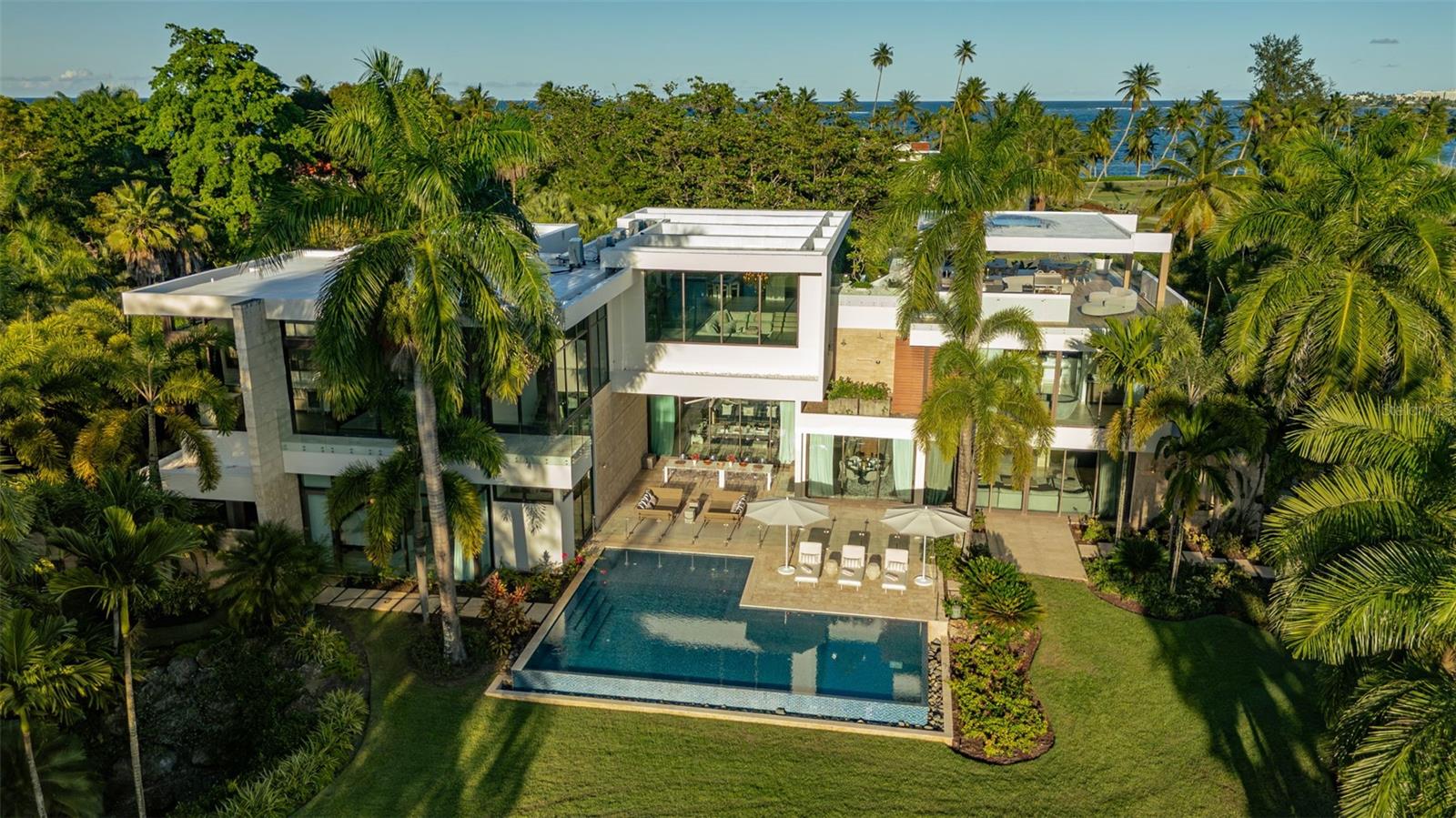
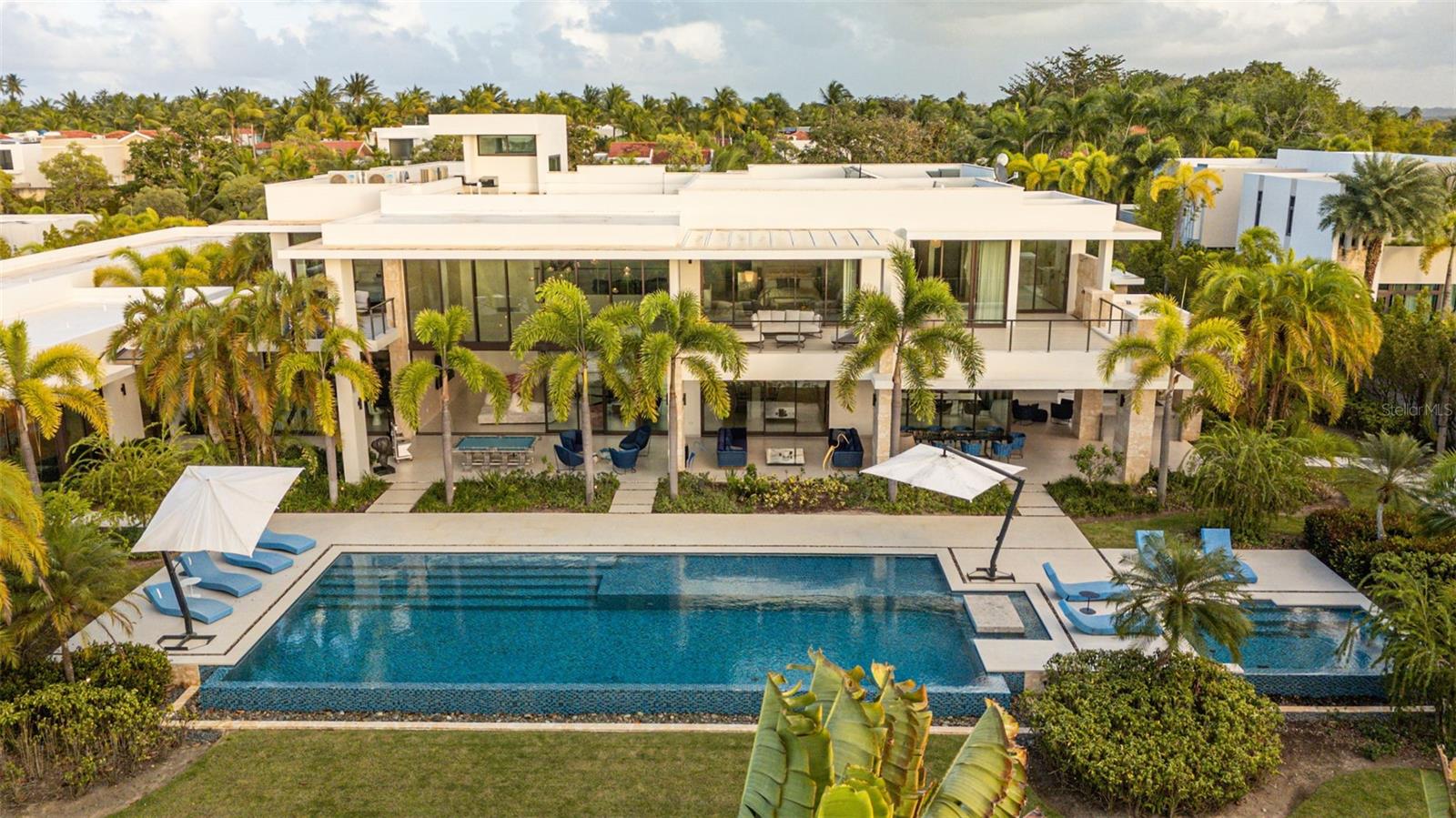
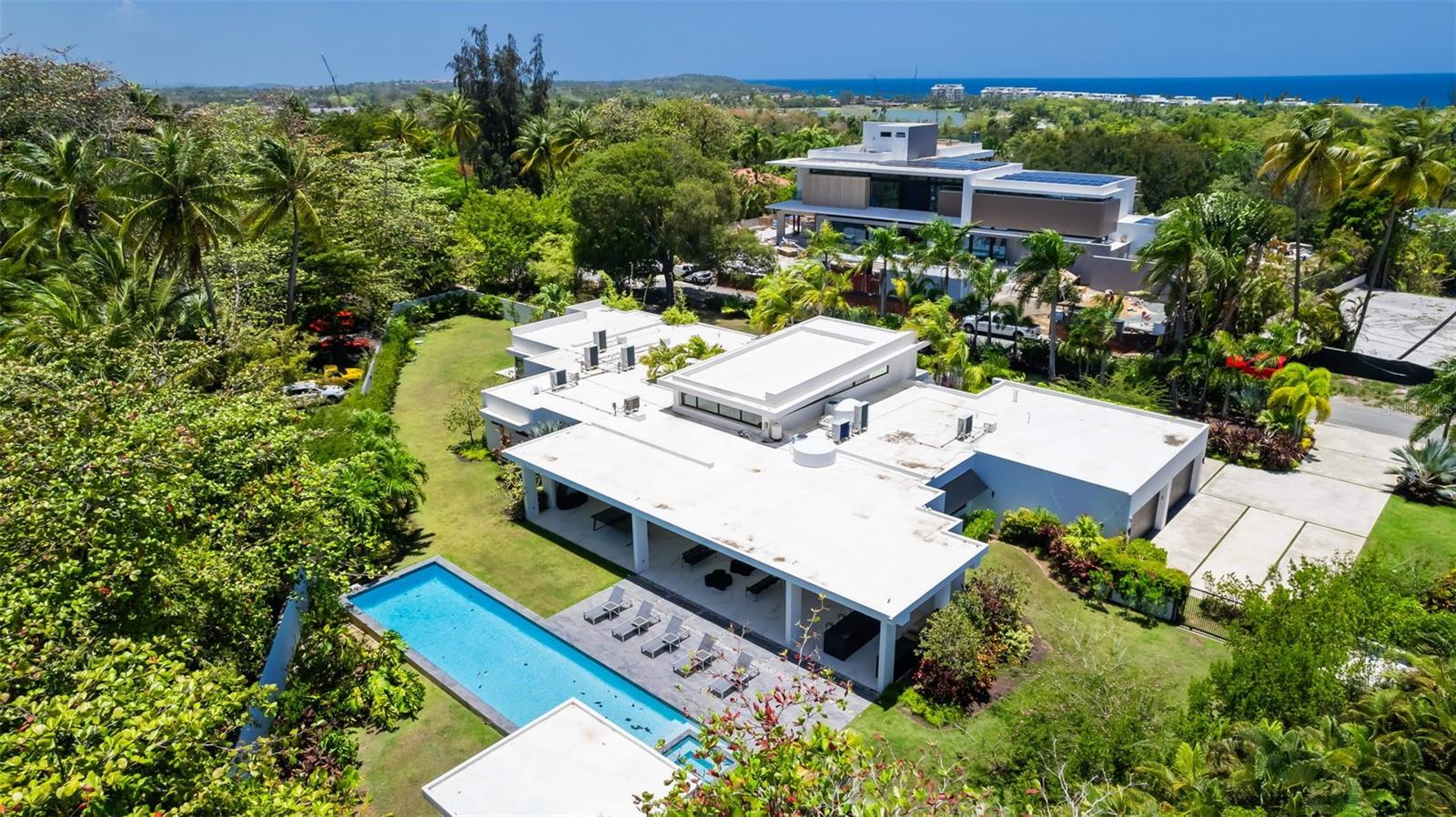
Culebra's property market is built on scarcity. The combination of protected refuge land, strict low-density zoning, coastal setback requirements, and an island footprint of 10 square miles means the supply of buildable, purchasable land is permanently constrained. Luxury listings in Culebra and Vieques are few and far between as properties rarely trade hands.
What buyers should know about the Culebra market:
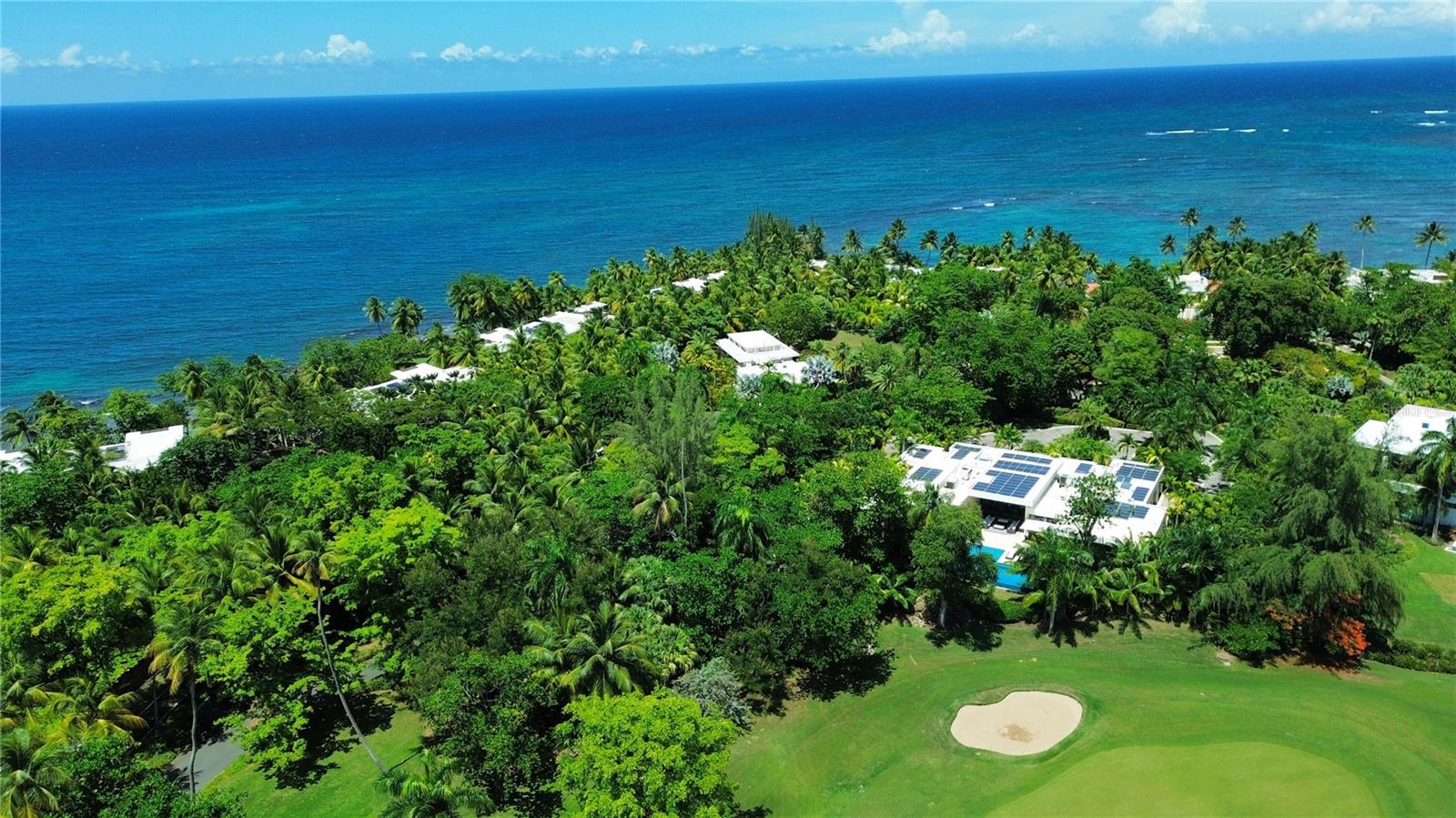
- Oceanfront and panoramic-view properties are inherently rare and not easily replicated given development limits
- Short-term rentals represent a significant share of local lodging supply, reflecting consistent leisure demand tied to Flamenco Beach, Zoni Beach, and the reef network
- Eco-conscious features, including solar power systems and rainwater harvesting, are common in existing inventory and expected in new construction
- Buyers need to account for island infrastructure realities: ferry and air access, generator backup, cisterns, and salt-air-resilient building systems
Land near the Luis Peña Channel Marine Reserve, the beaches, and with elevation for panoramic views commands the strongest interest. The Tamarindo sector in Barrio Flamenco, which fronts the marine reserve directly, has drawn attention from buyers seeking waterfront land with genuine privacy. Zoning is predominantly low-density residential across most of the island, often requiring large acreage per home.
FAQ
How do you get to Culebra from San Juan?
The two main options are a short flight from San Juan's Isla Grande Airport or Fernando Luis Ribas Dominicci Airport, or a passenger ferry from the Ceiba terminal on Puerto Rico's east coast. The ferry is the more budget-friendly option at a few dollars each way, though schedules vary and weather delays are common. Flights take under 40 minutes and are more reliable for timing-sensitive travel.
Is Culebra a good place to buy investment property?
Culebra's constrained supply, strict development limits, and consistent tourism demand have supported sustained appreciation in property values. Short-term rentals make up a significant portion of the island's lodging supply, and demand tied to Flamenco Beach and the reef network runs year-round, though it peaks in winter. Buyers should factor in island infrastructure considerations, including ferry reliance, utility systems, and building requirements for a salt-air coastal environment.
What makes Culebra different from other Puerto Rico island destinations like Vieques?
Both Culebra and Vieques are offshore islands with protected land, low density, and genuine natural beauty. Culebra is smaller (10 square miles versus Vieques' 21 miles), has no large resort presence at all, and its reef system on the Luis Peña Channel side is considered one of the healthiest accessible from any Puerto Rican island. Vieques has the bioluminescent Mosquito Bay and more variety of accommodations. They attract similar buyers but offer distinct day-to-day experiences.
Explore Culebra Real Estate With Beyond Commercial Group
Culebra's property market is one of the most supply-constrained in Puerto Rico, and the factors driving that scarcity aren't going away. At Beyond Commercial Group, we work with buyers and investors across Puerto Rico's islands, from established luxury corridors to the offshore markets where the fundamentals are less obvious but the case is just as strong.
Reach out to us to learn more about how we approach real estate in Culebra and across Puerto Rico's island markets, and let's talk through what you're looking for.
Reach out to us to learn more about how we approach real estate in Culebra and across Puerto Rico's island markets, and let's talk through what you're looking for.