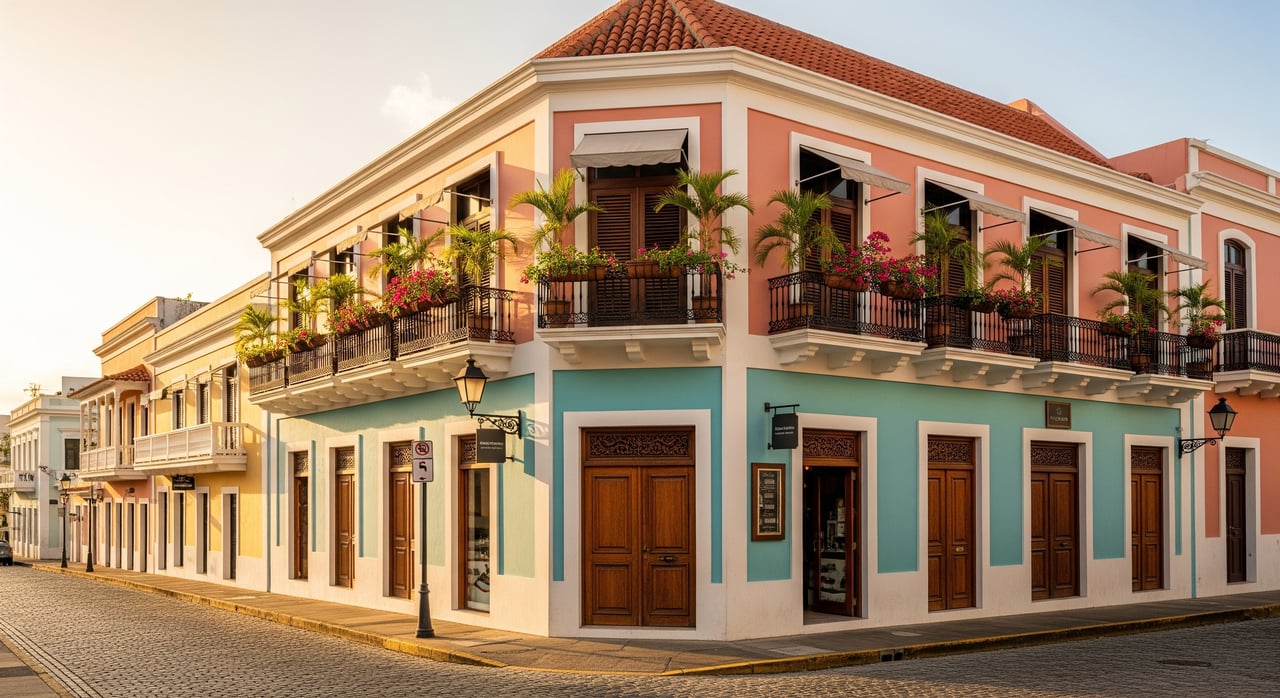
What if your favorite café, a quiet apartment, and a boutique hotel all fit on the same block? In Old San Juan, that is normal. If you are eyeing a property here, you are likely looking at some form of mixed-use. Understanding how these buildings work, what rules apply, and where the value lies helps you buy or sell with confidence.
In this guide, you will learn what mixed-use means in practice, how it shows up on Old San Juan’s streets, the permits and preservation reviews you should expect, and the due diligence items that save time and money. You will also get a clear checklist and answers to common questions. Let’s dive in.
Mixed-use basics
What “mixed-use” means
Mixed-use describes a building or district where two or more uses share the same property or block. Typical combinations include residential, retail, office, hospitality, cultural, and civic uses. Uses can be stacked in one building or spread across adjacent lots.
Forms you will see in Old San Juan
- Vertical mixed-use with ground-floor retail or dining and apartments or offices above.
- Adaptive reuse of historic homes into boutique hotels, galleries, or multi-unit housing.
- Live-work units for artists or professionals who keep a small studio or office on site.
- Tourism-driven mixes where shops, restaurants, and serviced lodging operate next to long-term residences.
Why buyers and sellers consider mixed-use
- Walkability and immediate access to services can support property values and retail sales.
- Income potential from ground-floor commercial plus residential rent.
- Historic character and steady tourism can support higher price per square foot.
Tradeoffs to expect
- Noise and crowds from nightlife and visitors, especially near busy corridors and plazas.
- Higher maintenance for historic structures, including specialty materials and craftsmanship.
- Regulatory constraints that limit exterior changes and certain use conversions.
- Limited parking and narrow streets that affect deliveries and loading.
How mixed-use looks in Old San Juan
A compact, historic fabric
Old San Juan’s colonial-era grid, cobblestones, and narrow lots favor multi-story masonry buildings with street-facing storefronts and residences above. Public spaces, from plazas to waterfront promenades, create strong pedestrian flows that support retail and hospitality.
Typical corridors and blocks
Commercial corridors mix ground-floor shops and restaurants with apartments or guest rooms on upper floors. Residential streets still feature small storefronts and cultural uses. Proximity to landmarks like the forts, plazas, and museums brings steady foot traffic that underpins many mixed-use models.
Practical constraints on the ground
- Vertical stacking is common since lots are narrow.
- Loading and service often rely on pedestrian-scale deliveries at set times.
- Flooding and storm exposure shape which ground-floor uses are feasible and what mitigation is required.
Rules and permits to know
Historic preservation authorities
Old San Juan operates under preservation rules in addition to municipal zoning. You should expect review by the Puerto Rico State Historic Preservation Office and the Instituto de Cultura Puertorriqueña for exterior alterations. The National Park Service recognizes the historic district, and federal funding or licenses can trigger further review.
What this often means for you:
Façade, window, door, balcony, and signage changes usually require approval.
- Historically appropriate materials and profiles are often required for replacements.
- Some interiors may be subject to additional rules if designated.
Zoning, land use, and permits
The Municipality of San Juan sets zoning maps, use permissions, and occupancy rules. For mixed-use projects, you may need change-of-use permits, building permits for alterations, trade permits for electrical and plumbing, and approvals for any public realm work. Puerto Rico’s permitting office, OGPe, coordinates many of these permits and works alongside municipal departments.
Short-term rentals and hospitality rules
Short-term rentals are common in Old San Juan, but permission depends on municipal rules, specific building or condominium bylaws, and proper licensing. Always confirm the legal status for the specific address before underwriting income.
Market, financing, and insurance
What drives demand
Tourism, walkability, heritage character, and proximity to government and commercial centers drive demand for hospitality uses, short-term lodging, and retail that serve visitors. For many owners, upper-level residential creates stable income while ground-floor commercial captures higher seasonal upside.
Returns and risk
Commercial frontage and tourist permissions can command a premium, but you should plan for seasonality, tourism cycles, and operating overhead. Vacancy risk for retail and hospitality is real, and historic maintenance adds cost. Underwrite realistic expense ratios and reserves.
Financing that fits historic buildings
Lenders often ask for structural inspections, code compliance, and proof of proper permits before closing. Flood insurance is required in mapped zones. Rehabilitation financing is more complex than a standard home loan, so engage lenders who understand Puerto Rico transactions and historic assets. Federal rehab loan products and historic tax credits may help qualified, income-producing projects that meet the Secretary of the Interior’s Standards.
Incentives to explore carefully
Certified income-producing historic rehabilitations may qualify for a 20 percent federal Historic Rehabilitation Tax Credit, subject to rules and approvals. Puerto Rico offers separate incentive regimes that can change over time. Consult a tax advisor familiar with Act 60 and historic credits before you assume any benefit in your pro forma.
How to evaluate a mixed-use opportunity
Step 1: Map the use mix
List current uses by floor and identify legal occupancies, licenses, and permits. Note any nonconforming uses and where preservation rules apply to façades, windows, doors, and balconies.
Step 2: Stress-test revenue
Model both long-term and hospitality scenarios if allowed, including seasonal swings. Price in commercial downtime and assume vacancy between tenants. Include flood insurance, specialized maintenance, and generator or equipment upgrades in operating costs.
Step 3: Scope the work
Define what you must change to meet code and use goals. If you need new openings, accessibility upgrades, or kitchen exhausts, discuss feasibility with your architect before you submit permits. Plan a schedule that allows for preservation review and possible hearings.
Step 4: Align financing and incentives
Match your loan to your rehab plan and timeline. If eligible, explore the federal historic tax credit for income-producing projects, understanding that standards compliance is not optional. Build a contingency for material and specialty labor costs.
Step 5: Protect the downside
Confirm flood elevation, wind exposure, and prior storm claims. Elevate critical equipment, consider impact-rated windows or shutters, and plan for backup power. A sound resiliency plan supports both safety and business continuity.
Common pitfalls to avoid
- Assuming a change of use is automatic when it involves historic façades or entries.
- Underestimating time for preservation review and coordinated permits.
- Ignoring condo bylaws that restrict commercial operations or short-term rentals.
- Overlooking floodproofing and wind-resistance needs in capital budgets.
- Relying on generic expense ratios that do not reflect historic maintenance.
When mixed-use fits your strategy
If you value walkability, character, and layered income, mixed-use in Old San Juan can work for you. The properties reward careful planning, experienced advisors, and realistic underwriting. With the right team and approvals, you can preserve historic fabric while creating strong, resilient income.
Ready to explore mixed-use opportunities or position your property for market? Request a Private Consultation with Beyond Commercial Group to discuss a plan tailored to your goals.
FAQs
What is a mixed-use property in Old San Juan?
- A mixed-use property combines two or more uses, such as ground-floor retail or hospitality with residential or office space above, often within historic buildings.
How do preservation rules affect renovations?
- Exterior changes like façades, windows, doors, balconies, and signage usually require review by preservation authorities, and historically appropriate materials are often required.
What permits are needed to convert use types?
- Conversions typically need a municipal change-of-use permit, OGPe building permits for alterations, and preservation approval for any exterior or access changes.
Are short-term rentals allowed in my building?
- It depends on municipal rules, licensing, and your building or condo bylaws; always verify permission at the specific address before planning income.
Do historic tax credits apply in Puerto Rico?
Income-producing certified historic rehabilitations may qualify for a federal 20 percent Historic Rehabilitation Tax Credit if the work meets required standards and approvals.
What extra costs should I plan for with historic mixed-use?
- Expect line items for structural stabilization, moisture mitigation, preservation-grade materials, permitting time, floodproofing, and potentially higher insurance premiums.
Disclaimer:
This article is intended for informational purposes only and does not constitute financial, legal, or real estate advice. Although every effort has been made to ensure accuracy, market conditions and regulations may change, and the data referenced may not reflect the latest updates. Readers should consult qualified professionals—such as real estate agents, attorneys, and financial advisors—before making any property-related decisions based on the information provided here. The author and publisher assume no responsibility or liability for any errors, omissions, or decisions made in reliance on this content.